
Positivity and creative leadership

                  Positivity and Creative Leadership


Positivity is not among the basic attributes  someone asks for in a leader, however positivity is the foundation when it comes to motivate and influence people. It is the hidden power of leadership.


Being positive is indeed a requirement when a situation like covid pandemic, emergencies and uncertainties are  going on. Ground level points for positivity are :


  • Do not create havoc

  • Do not start blame game 

  • Keep things on hold 

  • Prepare yourself for uncertainties, unfavorable situations.

  • Keeping a back up plan to control damage and training the brain for it.



A leader is one who knows the way, goes the way and shows the way. It means you are a positive person or know your ways to be positive. One should train their brain to be positive and must have ability to find ways to be  positive. Just start noticing yourself when you start feeling happy and positive. For example your work, your friends, listening music or doing workout etc.- what makes you happy.  


Leadership Positivity is about raising the bar – about tackling the problem in order to move forward. Solving problems in such a way that it raises the spirit of team members. Once a team is motivated they will work best to achieve their target.


Leaders must balance their targets against keeping their teams happy. Leadership Positivity is about showing your team appreciation for their skills, and trusting them to carry out the jobs they are assigned and giving them power breaks from stress. Start few activities which boost positivity in your team and show them brighter side of life. Start adding those activities as a power break and involve your team and subordinates. For example 30 min simple yoga session before lunch break or on Fridays some  musical evenings or small talks about personal interest etc. Encourage your team to organize/ participate in some physical and extra engagements activities.


 Being positive is contagious, and a team with a collective positive attitude is more likely to go above and beyond for a leader, and workplace that they are happy and proud to be a part of.  


Positive and Confident leaders create more supportive and creative teams, and that makes the workplace  attractive and productive. Positive thinking is more than just a tagline. It sparks the surrounding as positivity is more contiguous even than Corona.
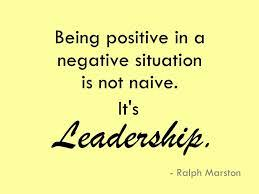


And I firmly believe that when I am positive, it not only makes me better, but it also makes those around me better. ”Feel free to share your views on imagepanoram.in@gmail.com.


Comments

Popular posts from this blog

Modi's Style book

  Modi’s Style Playbook: A Masterclass in Power, Purpose, and Presence In leadership, image is not a luxury—it’s a language . Indian Prime Minister Narendra Modi understands this better than most. That’s why he is often regarded as a style icon, celebrated for his distinctive and carefully curated fashion sense. But Modi’s style isn’t just about clothing—it’s about intention, identity, and influence. It aligns seamlessly with the principles of personal styling, wardrobe planning, and strategic image consulting. Whether he’s addressing the nation, meeting global leaders, or donning a red Nehru jacket and shawl during Operation Sindoor to symbolize India's zero tolerance for terrorism, every element of his wardrobe reflects power, purpose, and presence. Modi has created a unique fashion identity that speaks volumes—conveying confidence, culture, and leadership. Let’s decode the elements that define the Modi look: 1. Power in Simplicity: The Signature Modi Kurta Modi’s signature kur...

Jasmine In Metro

  Jasmine in the Metro By Sarita Sharda Outside the bustling Rajiv Chowk Metro Station—amid the cacophony of hawkers, the hum of footsteps, and the metallic screech of trains—sits Rajjo, a florist with a modest basket of jasmine gajras. The scent of fresh blossoms, strung together with practiced care, rises above the city's chaos, creating a small pocket of serenity. For years, Rajjo has sold her fragrant garlands to women passing by—brides, lovers, and admirers of delicate things. One humid August evening, a woman in a crisp navy-blue suit stops abruptly before Rajjo’s stall. On impulse, she buys a gajra, paying more than its price in her hurry, barely noticing as she disappears into the crowd. Inside the Metro, the scent envelops her. Heads turn. In the polished corridors of her office, the garland becomes the subject of amused whispers. "A jasmine gajra in a board meeting?" her colleagues murmur. But Ananya Mehra—a senior executive at an investment firm, a woman of con...

Interpersonal skills and Indian Mythology

  Interpersonal Skills and Indian Mythology: Lessons for the Modern Workplace In a bustling corporate boardroom, tensions simmered as two senior executives clashed over their strategic approach. The project at hand was critical, with looming deadlines and mounting pressure, yet progress had stalled. A seasoned CEO, observing the discord, calmly addressed the room. Instead of offering direct solutions, he shared a story from ancient Indian wisdom that would shift their perspectives. "Back in the Vedic Era," he began, "leaders weren’t just strategists; they were mentors, guiding their people through more than just tasks—they guided through values, communication, and respect. Take the example of Guru Brihaspati, the revered teacher of the gods. His guidance wasn’t about asserting power; it was about understanding, listening, and fostering unity. When the gods faced turmoil, Brihaspati emphasized dialogue, empathy, and shared responsibility to resolve conflicts. It wasn’t hi...